Leprechauns, pots of gold, double rainbows, and clovers. St. Patrick’s Day is associated with all. However, the history behind these traditions is rich and complex.
St. Patrick’s Day celebrates the death of a saint named Saint Patrick. Saint Patrick brought Christianity to Ireland, and he did lots of missionary work throughout the country. To honor his life’s works, when Saint Patrick died, the Irish decided to dedicate a holiday to the man who brought religion and faith to their country, according to Britannica. The Irish threw celebrations, parades, and more, which eventually turned into traditions that have lasted until today.
Living in the United States while still maintaining Irish customs is a key part of many students’ lives at Foran. Though the lifestyle may be different, students continue to honor Ireland and St. Patrick by continuing traditions.
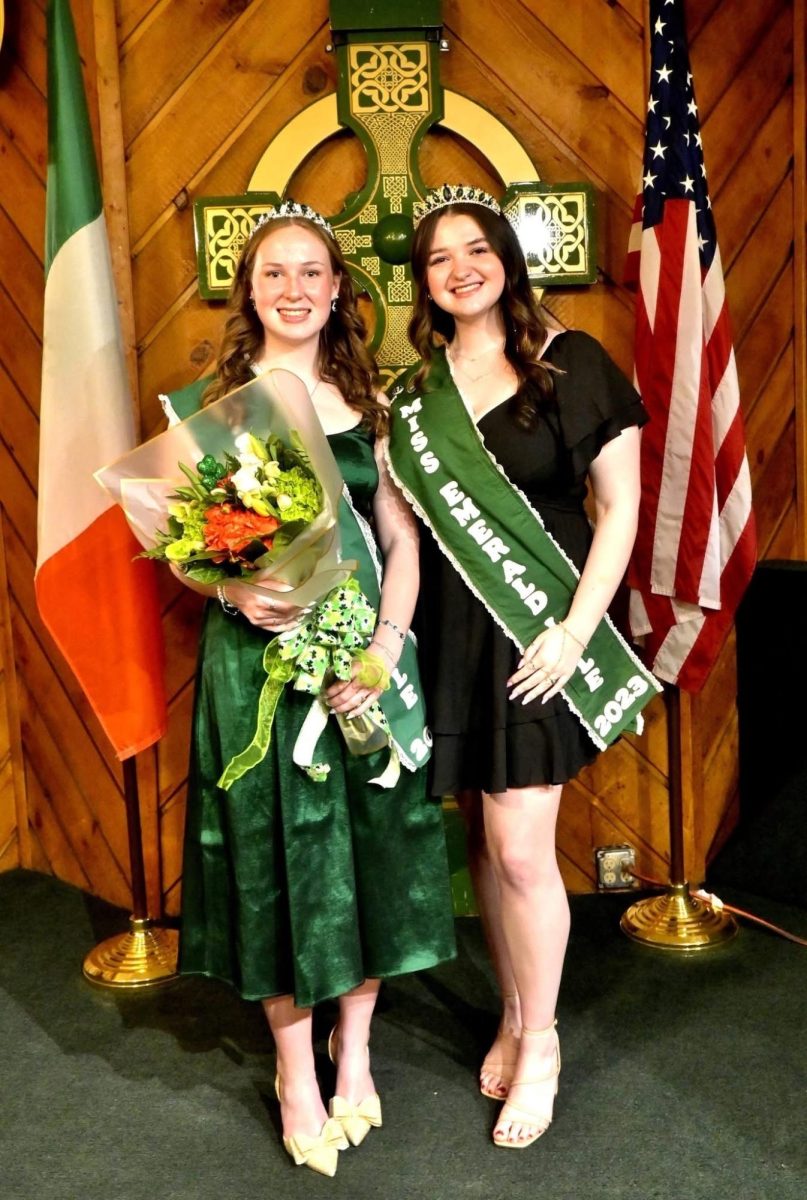
The highest honor that a girl of Irish heritage in Milford, Connecticut, can receive is the title of Miss Emerald Isle. This title means that a young Irish girl has excelled in community service, representing Irish culture in an empowering and strong way.
Senior Callie Morrison, the current 2026 winner of Miss Emerald Isle, states, “[Being Miss Emerald Isle] is about representing Irish heritage and giving back to the community at the same time. My grandparents were from Ireland, County Cork, and County Kilkenny. For Saint Patrick’s Day, my whole family comes, and we celebrate. We eat Irish soda bread, and my grandpa likes to tell us about our culture and what it means to us. It’s a bonding experience with my family.”
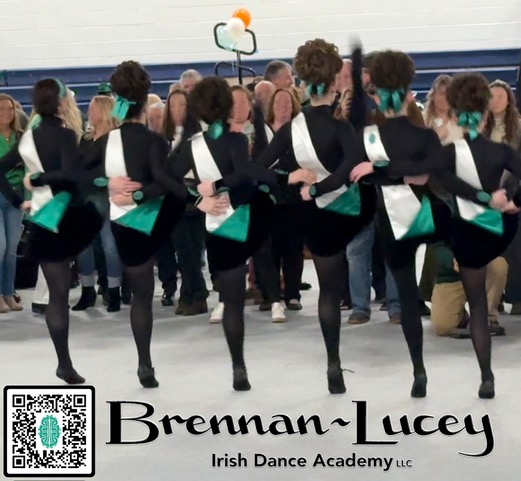
The Irish youth here in Milford are being encouraged to learn more about their culture through fun and interactive ways. One of these key ways is Irish dancing. The Brennan-Lee Dance Company specializes in Irish dance, and it teaches young children to embrace their heritage.
The owner of Brennan-Lee Dance Company, Meghan Lucey-Brelsford, states, “Irish dancing began around the time that ballet was popular, before the 1800s. Irish dance became a thing because Irish people really wanted to express themselves in their culture. They’ve had a very troubled history with England, who kept trying to conquer them, so during all these troubles back and forth, Ireland wanted to develop their own culture and dance forms to keep traditions alive.”
Irish dancing is very similar to tap dancing, but with more specific rules. Irish dancing requires having the dancer’s arms by their sides, and their feet turned out and crossed the entire time they’re dancing. With Irish dancing, the dancers take choreography from somewhere else and turn it into their own, as learned from Lucey-Bresford. However, the dances and traditions also include a variety of clothes that represent Irish culture.
Lucey-Brelsford states, “Traditionally, for competitions, Irish dancers wear curly hair. This has evolved from when Irish dance was becoming popular; the only time during the week when they danced was on Sunday after church. People curled their hair and wore their Sunday best, so a nod to that tradition is why Irish dancers wear curly hair. The dresses had a lot of Celtic Knot embroidery, and the boys would wear kilts.”
Annually in Milford, a St. Patrick’s Day parade is held in the green. The town does this to highlight Irish traditions and holidays that are still observed today.
Mike McCauge, the director of the Irish parade, says, “The Roman Catholic Church named Patrick the patron saint of Ireland and designated March 17, thought to be the date of his death, as his feast day. Common traditions [during St. Patrick’s Day] include wearing green clothing or shamrocks, parades with Irish music and dancing, drinking Guinness or Irish whiskey, and eating traditional foods like corned beef and cabbage, Irish soda bread, and colcannon.”
Whether it’s the act of Irish dancing at a studio, wearing traditional clothing, or playing the bagpipes at a parade, Irish traditions are still thriving today on St. Patrick’s Day. The Irish are holding on strong to their culture and heritage, enforcing centuries-old traditions to honor Saint Patrick and their ancestors.