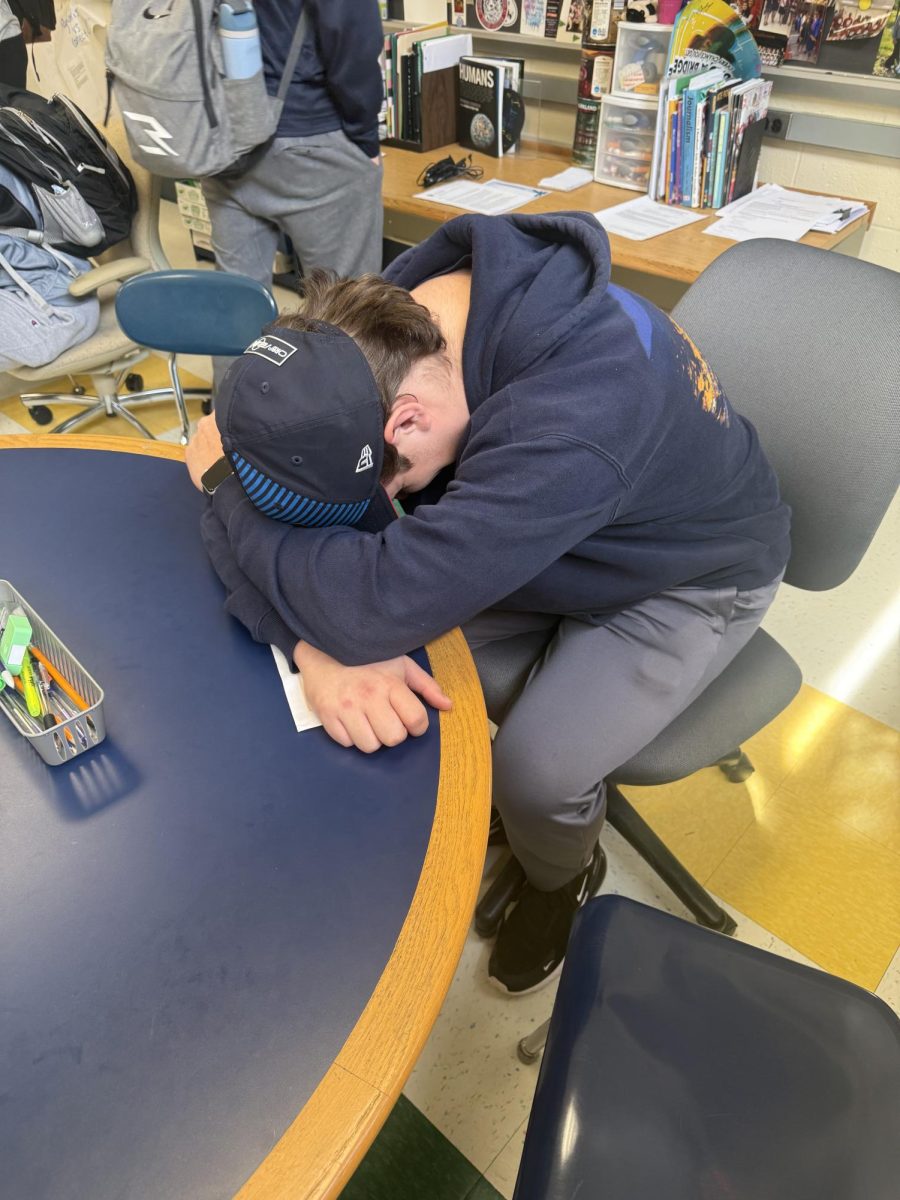
With nearly one-third of healthy adolescents facing regular fatigue, and even more battling frequent sleepiness, exhaustion is a prevalent issue among teenagers. But what causes it, and how does it affect day-to-day life?
According to the Centers for Disease Control and Prevention (CDC), adolescents aged 13 to 18 should sleep between eight and 10 hours per night.
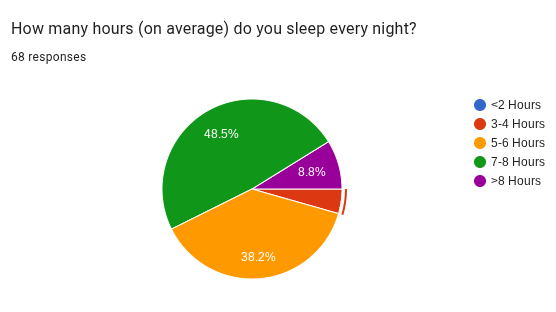
In a survey of 68 Foran students, 91.2% reported sleeping between three and eight hours nightly, meaning only 8.8% obtained sufficient daily rest.
Fatigue and sleepiness share many similarities, such as reduced mental capacity, coordination, and energy, but are different. Sleepiness is a lack of awareness and desire to fall asleep, whereas fatigue stems from mental anguish, lack of interest, and certain lifestyle habits.
Sleepiness is often resolved through rest. Conversely, fatigue is persistent and more complex in structure. If left untreated, exhaustion sets in – a culmination of tiredness and fatigue, leading to difficulties completing tasks, low motivation, and, often, other underlying conditions.
While many students are aware of how important sleep is regarding their daily energy levels, the reality is different.
“Students really overload their plates, which is a great thing in terms of experience, but I think sometimes it’s a lot of work, and then you can kind of jeopardize sleep time to build that resume,” says Foran Health teacher Miss Meghan Hosking.
According to the Mayo Clinic, exhaustion has various effects, including emotional, physical, and performance-related repercussions. Many students experience this without understanding all of the root causes.
One common habit stood out in the survey results: phone usage before resting. 70.6% of respondents reported using their phones while in bed before going to sleep.
In addition, a similar 67.6% of the respondents reported feeling either somewhat or very tired during the day, reflecting correlation and causation.
Phone usage before sleep is often harmful, as it interferes with melatonin production: the hormone that regulates sleep cycles. This causes a severe decrease in sleep quality, worsening other contributors to poor sleep quality.
Additionally, stress significantly reduces sleep quality. According to the American Psychological Association (APA), 61% of highly stressed teens reported feeling sluggish or lazy.
Teen exhaustion is not a matter of laziness, but rather a mix of various factors. With over 90% of surveyed students failing to reach the recommended nightly hours of sleep, and more than two-thirds reporting moderate to extreme tiredness, the study suggests that many students with fewer than eight hours of sleep experience reduced energy.
Habits to reduce student exhaustion include turning off electronic devices at least one hour before bed, eating a balanced diet, limiting caffeine intake after 2 p.m., and prioritizing at least eight hours of sleep.
According to Harvard Health, eating a balanced diet also goes hand in hand with daily exercise, as both have lasting effects on the body, including improved oxygen and energy levels, bolstered immunity to disease, and overall, improved mental fortitude—all catalysts for a good night’s rest.
By recognizing the impact of nightly routines and other daily sleep-impacting factors, students can make adjustments to improve their energy levels, leading to improvements in day-to-day activities, emotions, motivation, and more.