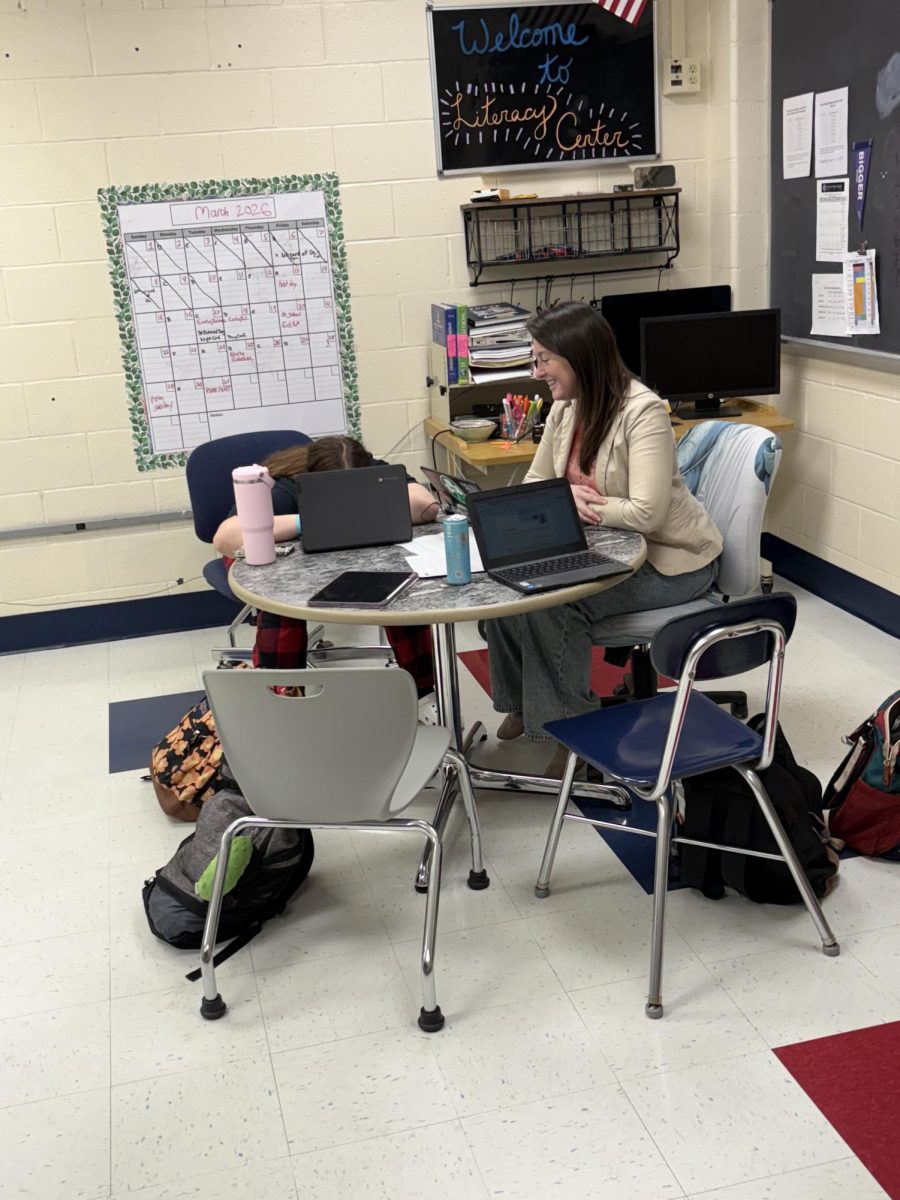
Choosing to become a teacher is more than picking a job—it is stepping into a role that shapes future generations. The journey requires dedication, education, and real classroom experience. From college courses to student teaching, the path to the front of the classroom is both challenging and rewarding.
English teacher Ms. Shannon Worcester-Juran says her most important skills are “Being passionate about their subject, being flexible, and being comfortable in front of big crowds.”
Picking a job isn’t just anything; it is stepping into a role that shapes future generations. The pathway necessitates commitment, professional training, and field practice. From college courses to student teaching, the path to the front of the classroom is both challenging and rewarding.
Mr. Hunter Boyd states, “I really enjoy helping people and getting to know good people in different classes.”
His perspective shows that teaching is not only about delivering lessons, but also about building relationships. “Teachers often become mentors, role models, and trusted adults in students’ lives,” he says.
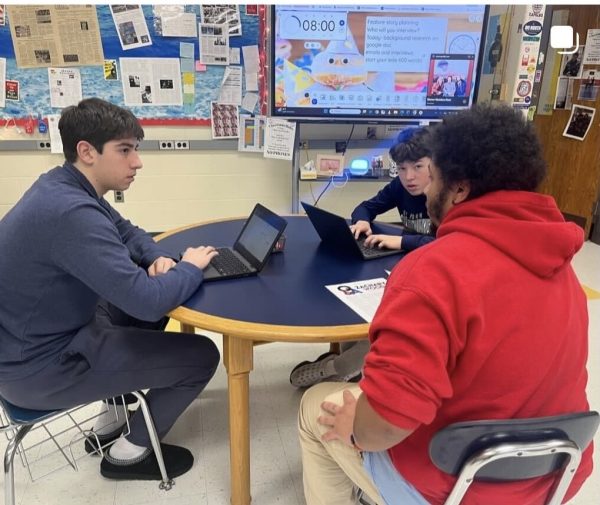
Worcester-Juran also remarks on the degree you need: “a bachelor’s degree and a certification in education within 10 months of teaching.”
Becoming a teacher also requires strong preparation. Most teachers must earn a college degree in education or in the subject they plan to teach. They must also complete student teaching, where they work in a real classroom under the guidance and supervision of an experienced teacher. This hands-on experience helps future teachers learn classroom management, plan lessons, and develop communication skills before leading a class on their own, according to professionals.
Boyd comments, “The growth in so many students is just amazing to be around.”
Although teaching can be demanding, many educators say the rewards outweigh the challenges. Watching students grow, understand new concepts, and gain confidence can make the hard work worthwhile. In the end, choosing to become a teacher means choosing to make a lasting difference in the lives of others.
A student in the University of Connecticut Early College Experience (ECE) course: If You Love it, Teach it, senior Joe Meade states, “Having control over your emotions is key.”
His comment highlights an important part of teaching that is often overlooked. He says teachers face stressful situations, from managing classroom behavior to meeting deadlines and supporting students who may be struggling. Staying calm and professional helps create a positive learning environment where students feel safe and respected.
Emotional control also allows teachers to respond thoughtfully instead of reacting impulsively. When teachers model patience and understanding, students are more likely to show those same qualities, experts say. In many ways, besides teaching academic subjects, teachers also demonstrate life skills that students will carry with them beyond the classroom.
Meade says, “Building a good relationship with the students can really help students in a positive way to learning.”
Together, these perspectives show that becoming a teacher requires more than just knowledge of a subject. It takes passion, flexibility, education, patience, and strong emotional awareness. Educators say that for those willing to put in the work, teaching can be one of the most meaningful and impactful careers a person can choose.