

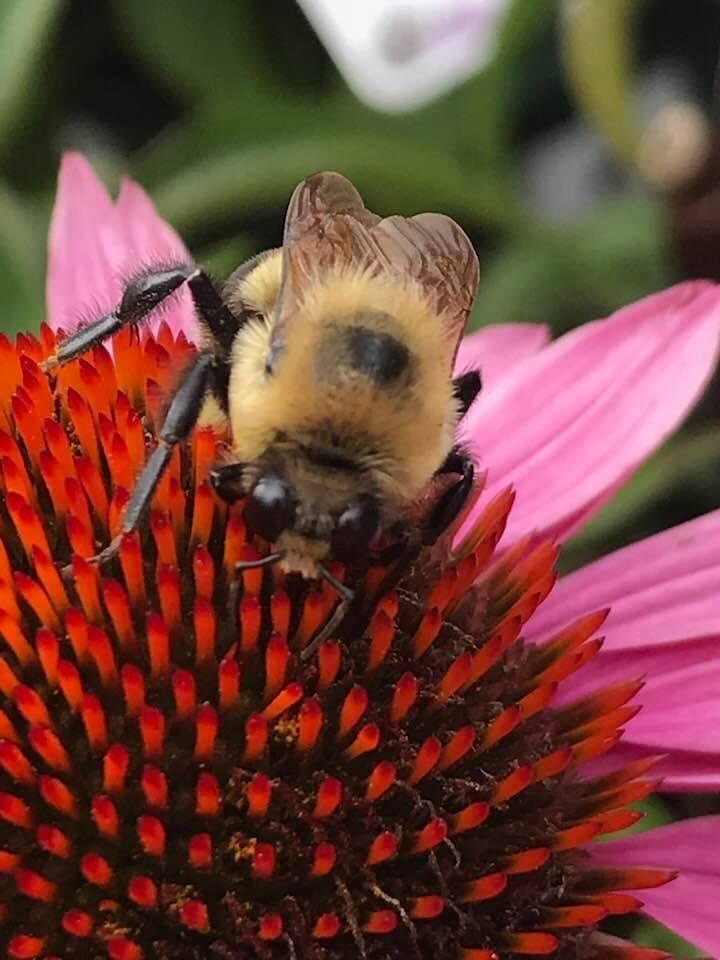
On a warm spring morning, a bumblebee travels from bloom to bloom in a Milford garden. It’s easy to overlook such a scene, yet this tiny insect is part of a quiet local revolution — one rooted not in headlines but in backyards, schoolyards, community spaces, and front porches. Across the nation, the Pollinator Pathway movement is reshaping how people think about landscapes by connecting dots on maps: corridors of gardens that feed bees, butterflies, hummingbirds, and other essential pollinators.
What began in Wilton, Connecticut, in 2017 as an effort to reconnect fragmented habitat has since spread to hundreds of towns and communities, with hundreds of residents pledging to plant native species, avoid pesticides, and rethink the traditional lawn. The idea is deceptively simple: no pot is “too small,” and even a small patch of native plants can become a garden that helps pollinators navigate a world increasingly dominated by pavement and lawns.
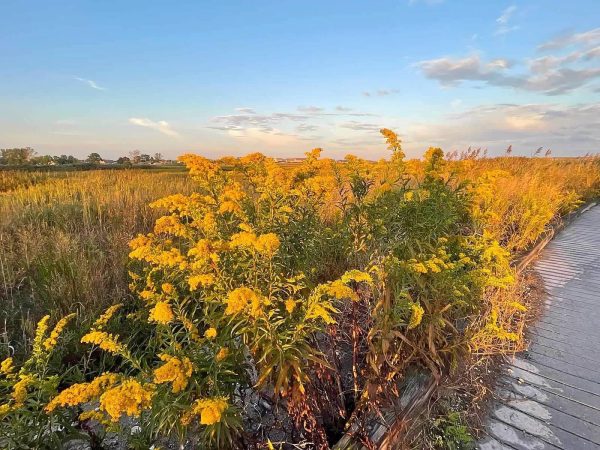
In Milford, the movement has been led by Wendy Zimbardi and Kelly Miller, both Milford citizens. They have focused on spreading the message while growing their own personal gardens.
Miller’s story starts with her taking the training associated with The Climate Reality Project, headed by American politician and environmentalist Al Gore. However, her passion for the outdoors was discovered during her time in the Girl Scouts program, where she spent the majority of her youth.
Miller has also done work with the Milford Land Conservation Trust, serving as a board member.
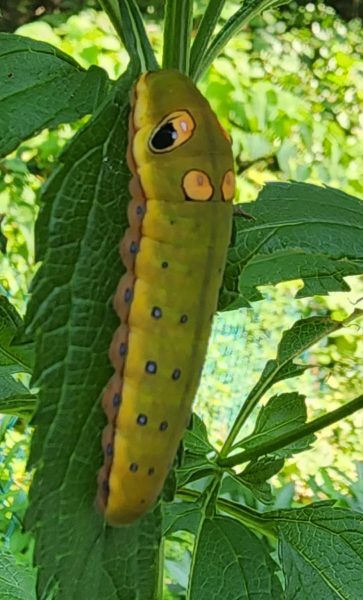
Zimbardi had a similar start to her love of the outdoors, being an adventurous child, exploring nearby fields and forests. Zimbardi currently owns her own business, Little Lotus Wellness LLC.
Zimbardi and Miller work endlessly, attending town fairs, setting up interviews, and spreading the importance of hosting native pollinators in the community, as time quickly runs out on the ecosystem.
Pollinator Pathway encourages residents to plant native species that bloom at different times of the year, provide water and shelter for insects, and avoid chemical pesticides. By doing so, local volunteers support biodiversity in their backyards, providing patches of healthy ecosystems that collectively form a living network across the city and beyond.
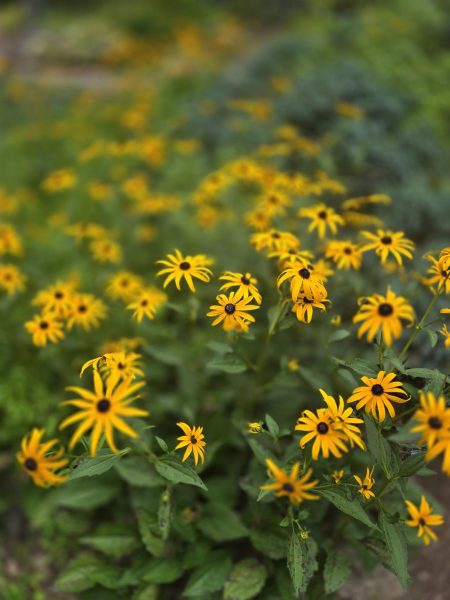
According to the National Wildlife Federation, “Monarch butterflies have declined by over 90% in the last 20 years.” Additionally, The Guardian states that a 2017 German study shows a 76% decline in all flying insects in the preceding 27-year period.
In a time when pollinators face habitat loss and chemical threats throughout the region, the Milford Pollinator Pathway and its volunteer supporters underscore how local action can make a difference for wildlife and community ecological resilience.
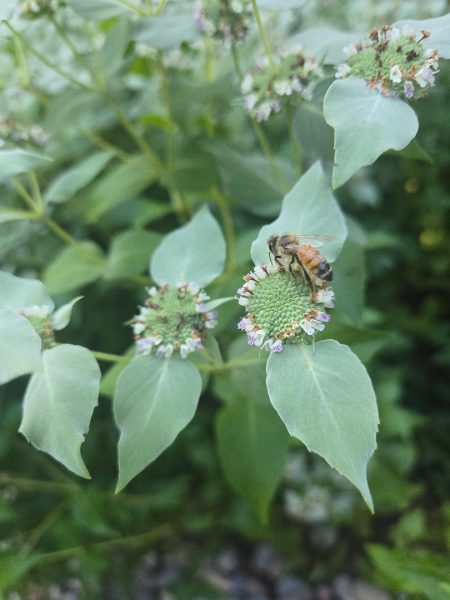
In Milford, this concept has taken root through local champions and everyday gardeners who see beauty and purpose in every flowering shrub. A community-led page for “Pollinator Pathway Milford, CT” on Facebook showcases local engagement and plants the seeds of conversation: neighbors sharing what pollinator-friendly flowers, shrubs, or trees they’ve introduced in their gardens.
The Pollinator Pathway movement provides multiple resources, plant lists, webinars, newsletters, and maps to help residents get started.
What started with a handful of gardens has become part of a mosaic: a tapestry of blooms threading through backyards, parks, and community plots that points toward a more biodiverse future. Pollinators sustain not just gardens but the foods people grow and the ecosystems people rely on. For Milford’s gardeners, this is more than an environmental project — it’s a neighborhood narrative that grows more vibrant with every bloom. Zimbardi offers this advice to anyone inspired to start their own pollinator haven: “Just start.”






Mary Anne Schipul | Apr 8, 2026 at 10:15 AM
Great article. Can’t wait to start planting to start. Well Written.