Students encounter illnesses and injuries at some point. However, dedicated professionals tackle these issues: nurses.
School nurses do more than what meets the eye. From caring for students to dealing with paperwork, they are the unsung heroes of their communities.
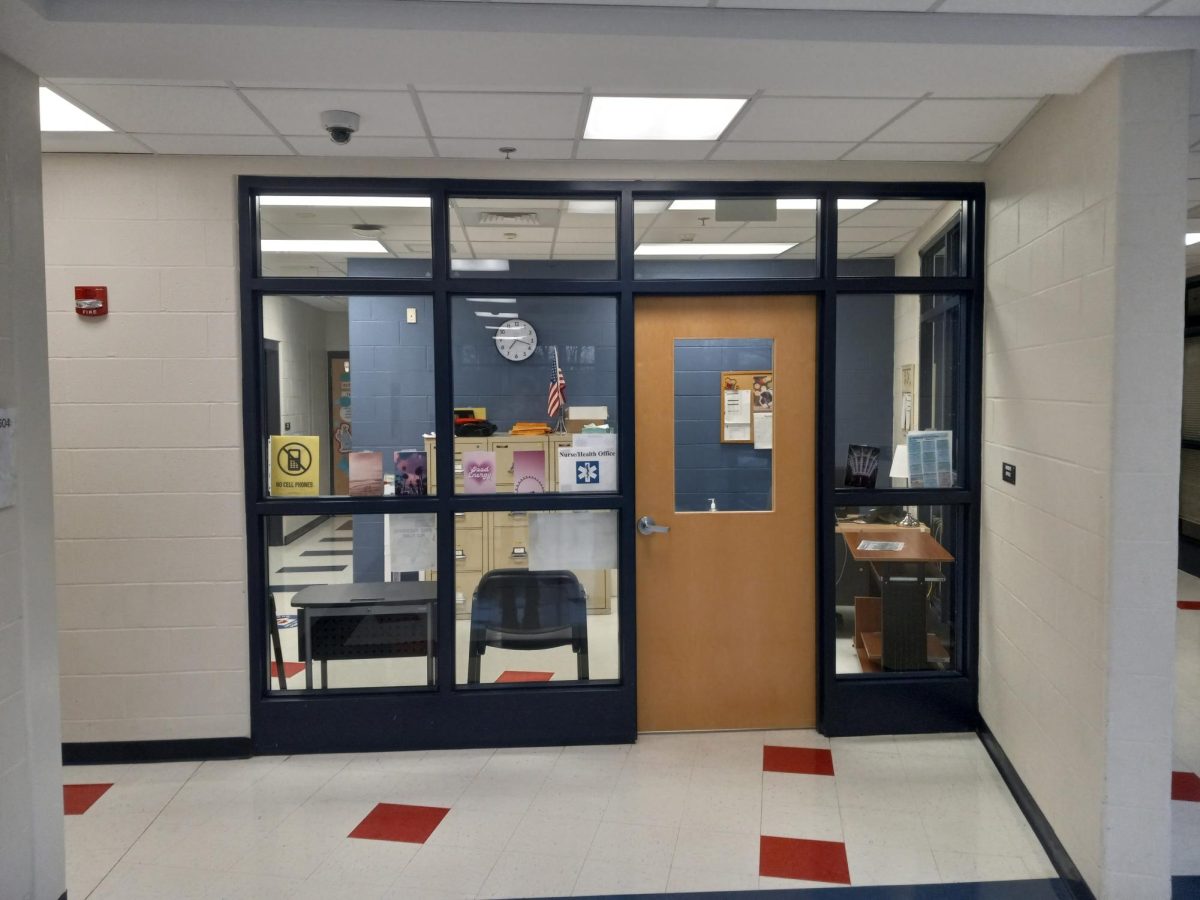
School nurse Ms. Elizabeth Melvin, RN, who has worked as a nurse since 1991, cites the necessary workload of her job.
“I think the fact that parents and teachers and administrators and students put their trust in school nurses is one of the best things about being a school nurse,” says Melvin, who balances the many responsibilities nurses face.
Melvin, whose job extends beyond medical assistance, notes that the most challenging part is ensuring everyone is on the same page, with clear communication between parents, teachers, administrators, and students.
School nurses are also responsible for collecting medical records and updating educators, parents, and students, enabling smoother communication among the parties.
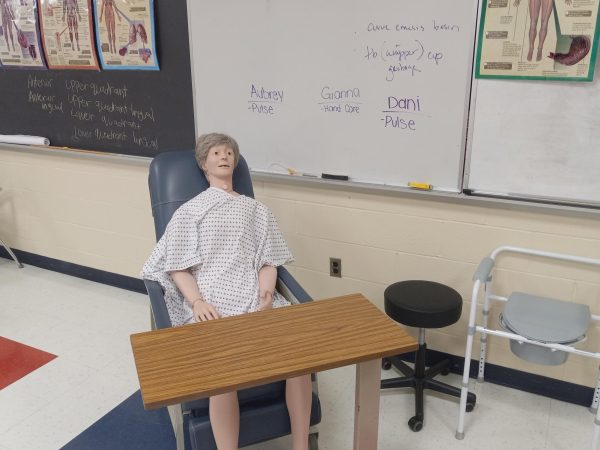
However, nursing goes beyond the office–and Foran. While school nurses support students at Foran, some students are already stepping into the healthcare world themselves through Foran’s Certified Nursing Assistant (CNA) program. At Foran, CNA instructor Ms. Rosalba Addario, CNA, speaks of the hands-on tasks she and her students face.
Addario, who splits time between Foran and Law, has worked as the CNA instructor for over a decade, providing real-world application to students.
From meticulously documenting student records to working with actual patients, she aims to prepare students for the “physically and mentally intense” job of nursing. This includes treating real people.
Fortunately, Addario attests that many students become attached to those they assist, creating a close bond that feels family-like to many patients, making it a worthwhile venture for students.
“Even when it’s hard, persevere,” says senior Daniela Boutote, a current CNA student. She believes that although tasks may be rigorous, the outcome is worth it.
Perseverance becomes especially important in hospice, where patients require both physical care and emotional support.
“A lot of the patients that students work on are in hospice,” says Addario, who recognizes the attention to detail required for such operations. Late-stage care, however, adds more layers to each patient, with many hospice residents being estranged from family.
Addario explains that oftentimes, students are the only interaction that these patients get.
This adds to the physical and mental ailments residents face.
“It’s okay not to know something,” says senior and CNA student Serafina Pavlat, highlighting a key part in the learning process.
For students getting into healthcare, making mistakes is part of the process, allowing the chance to gain knowledge and improve skills. By learning through experience, students prepare themselves for the demands of healthcare.
Despite the differences in Addario and Melvin’s jobs, the healthcare field is both physically and emotionally exhausting, regardless of one’s role. They both cite their occupations as rewarding and helpful to students and society, adding passion, depth, and knowledge to their respective fields.